

Beyond the 'Happy Molecule': 5-HT as a Core Neurotransmitter of the Gut-Brain Axis

Cloud-Clone ELISA Enables Accurate Quantification for Multi-Field Serotonin Research
HUSTON, TX, UNITED STATES, September 28, 2026 /EINPresswire.com/ -- Serotonin (5-HT) serves as a pivotal signalling messenger bridging the brain and gut, governing mood homeostasis, sleep cycles, gastrointestinal motility and immune balance. Researchers face persistent technical obstacles when measuring this oxidation-prone, low-abundance monoamine molecule across serum, cerebrospinal fluid and tissue homogenates. Cloud-Clone’s optimised 5-HT ELISA kit addresses major experimental pain points including analyte degradation and cross-reactivity, delivering reproducible quantitative results to support gut-brain axis investigations, neuropsychiatric studies and pharmacological compound screening worldwide.
Biological Background & Research Significance of 5-Hydroxytryptamine (5-HT)
The gut-brain axis forms a vital signalling network connecting cerebral and intestinal functions, where 5-hydroxytryptamine (5-HT) represents one of the most extensively studied core neurotransmitters. Unlike norepinephrine which mainly mediates stress-driven vasopressor responses or cortisol responsible for stress-related endocrine regulation, 5-HT modulates emotional stability, sleep-wake rhythms, gastrointestinal performance, pain perception and immune equilibrium. It acts as a central regulator for physical and mental homeostasis.
5-HT exhibits distinct central-peripheral dual sources with functionally independent pools, a frequent source of experimental confusion. Central 5-HT is synthesised by raphe-nucleus neurons in the brainstem. Acting as a neurotransmitter within the central nervous system, it directly shapes mood states, reward perception, concentration and sleep quality. More than 95 % of peripheral 5-HT is produced by intestinal enterochromaffin cells. Unable to cross into the brain compartment, peripheral 5-HT primarily controls gut peristalsis, digestive-fluid secretion and visceral sensitivity to sustain gastrointestinal health.
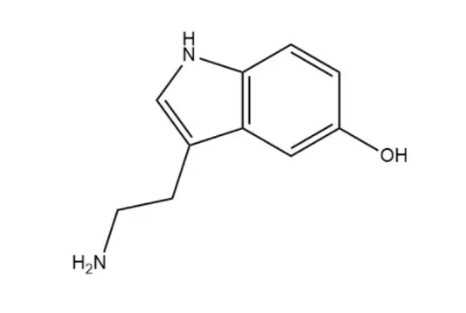
Figure 1 Caption: Molecular structure of 5-hydroxytryptamine (5-HT)
Biosynthetically, 5-HT is generated from tryptophan via two sequential enzymatic reactions. Tryptophan is first converted into 5-hydroxytryptophan (5-HTP) catalysed by tryptophan hydroxylase (TPH). Aromatic L-amino-acid decarboxylase then mediates decarboxylation to yield mature 5-HT. Upon signal termination, monoamine oxidase (MAO) oxidises 5-HT into 5-hydroxyindole-3-acetic acid (5-HIAA), which is excreted in urine to maintain neurotransmitter homeostasis. The serotonin transporter (SERT) re-uptakes synaptic 5-HT, governing synaptic transmitter concentration. This transporter constitutes the primary target for clinically-prescribed SSRI-class antidepressants.
As a small-molecule monoamine, 5-HT is chemically labile and susceptible to oxidative degradation triggered by ambient temperature, light exposure, repeated freeze-thaw cycles and endogenous enzymatic activity. Assays are further complicated by high cross-reactivity risks from structurally related monoamines such as dopamine and norepinephrine. Common test matrices include serum, plasma, cerebrospinal fluid, brain tissue, intestinal tissue and cell-culture supernatants, each reflecting central neural activity, peripheral gastrointestinal status or systemic endocrine profiles. These samples demand detection platforms with superior anti-oxidative capacity, low cross-interference and high analytical sensitivity.
Physiologically, 5-HT impacts the nervous, digestive, immune and metabolic systems. Central serotonin signalling is heavily investigated for its roles in psychological and psychiatric homeostasis. Insufficient synthesis, impaired transport, accelerated metabolism or dysfunctional receptors underpin the pathogenesis of multiple psychiatric disorders. In depression, hypofunction of raphe-nucleus 5-HT-producing neurons and reduced transmitter release drive anhedonia, low mood and cognitive slowing — the biological target of mainstream SSRI and SNRI antidepressants. Chronic stress-induced 5-HT rhythm disruption and transmitter depletion contribute to sustained anxiety, hypervigilance and irritability. Dysregulated 5-HT signalling is also documented in obsessive-compulsive disorder, insomnia, circadian-rhythm disturbances, bipolar disorder, post-traumatic stress disorder (PTSD) and affective symptoms of schizophrenia.
At the peripheral level, excessive 5-HT contributes to visceral hypersensitivity, diarrhoea and irritable bowel syndrome. Insufficient peripheral 5-HT leads to hypomotility, constipation and dyspepsia. It additionally participates in platelet activation, vascular tone modulation and inflammatory cytokine regulation, correlating with migraine, chronic inflammation and metabolic-syndrome pathology.
Accordingly, 5-HT stands as a high-priority biomarker for gut-brain-axis mechanistic research, neuropsychopharmacology, gastrointestinal disease modelling and natural-product drug screening. Reliable 5-HT quantification provides critical read-outs to validate disease models, dissect gut-brain crosstalk and assess pharmacological efficacy for antidepressant, sedative and gastro-modulatory candidates.
Comparison of Major Detection Techniques & Key Experimental Bottlenecks for 5-HT
Owing to its easy oxidation, low abundance and high matrix interference, 5-HT measurement poses substantial analytical challenges. Available techniques differ greatly in accuracy, throughput, cost and labour input, directly influencing dataset quality.
2.1 Performance Comparison of Four Widely-Adopted Detection Modalities
1.High-Performance Liquid Chromatography with Electrochemical Detection (HPLC-ECD) Recognised as a gold-standard monoamine assay, HPLC-ECD efficiently separates 5-HT from dopamine and norepinephrine with high specificity. Nevertheless, it requires costly capital equipment and labour-intensive sample workflows including extraction, purification, filtration and derivatisation. Long assay timelines and very low sample throughput restrict HPLC-ECD to small-sample validations and make it unsuitable for large-scale animal cohorts or high-throughput drug screening.
2.Liquid Chromatography-Tandem Mass Spectrometry (LC-MS/MS) LC-MS/MS delivers supreme analytical performance to resolve 5-HT and its metabolites with minimal interference. However, high operational expenses and steep technical barriers limit this approach to mechanistic corroboration in high-impact publications or reference-value calibration, rather than routine batch sample processing.
3.Immunohistochemistry / Immunofluorescence (IHC / IF) IHC and IF enable spatial visualisation of 5-HT-positive neurons and enterochromaffin cells for morphological illustration. These methods only deliver semi-quantitative outputs prone to observer bias, and cannot generate precise numerical values suitable for inter-group statistical comparison; they serve only as supplementary mechanistic evidence.
4.Enzyme-Linked Immunosorbent Assay (ELISA) ELISA represents the preferred mainstream workflow for basic research. Readout relies on standard laboratory microplate readers without specialised large-scale hardware. It features minimal sample pre-treatment, rapid operation, high throughput and cost-efficiency, compatible with serum, tissue homogenates and cell-culture supernatants for animal-model validation and high-volume statistical analysis. Commercially-available generic 5-HT ELISA kits frequently suffer drawbacks including absent anti-oxidant components, substantial analyte degradation, cross-reactivity against homologous monoamines and inadequate sensitivity, resulting in under-estimated concentrations, poor reproducibility and non-significant inter-group differences.
2.2 Four Major Experimental Pain-Points for 5-HT Quantification
Practical laboratory experience attributes inconsistent or failed 5-HT experiments to four core challenges:
1.Pronounced oxidative lability: Ex-vivo 5-HT degrades rapidly under standard buffer conditions during sampling, incubation and freeze-thaw cycles, producing artificially low measured values.
2.Severe cross-reactivity from structurally-related monoamines: Antibodies from conventional kits may cross-recognise dopamine, norepinephrine and analogous metabolites, generating falsely elevated signals and false-positive results.
3.Trace-level abundance hinders detection of subtle shifts: Minor 5-HT alterations occurring in mild-stress, early psychiatric injury or mild gastrointestinal-disorder models fall below the detection threshold of many generic kits.
4.Complex matrix interference: Tissue homogenates, serum and biological fluids contain abundant heterologous proteins, lipids and metabolic contaminants that promote non-specific binding, increasing data dispersion and lowering repeatability.
Differentiated Technical Advantages of Cloud-Clone 5-HT ELISA Kit
Targeting 5-HT-specific analytical barriers including oxidation, homologous interference, trace-level concentration and complex sample matrices, Cloud-Clone has developed the in-house-manufactured 5-Hydroxytryptamine (5-HT) ELISA Kit (Cat.No. CEA808Ge). Iterative optimisation covers monoamine-targeted antigen engineering, high-specificity antibody screening, anti-oxidant buffer formulation and competitive-ELISA manufacturing to resolve common experimental shortcomings and support diverse research scenarios.
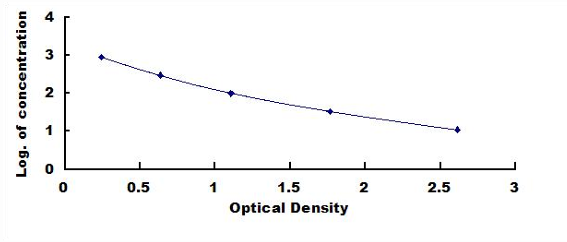
Figure 2 Caption: Standard calibration curve generated with the 5-HT ELISA kit
3.1 High-Specificity Antibodies Minimise Homologous-Monoamine Cross-Reactivity
Immunogens are rationally designed against unique structural epitopes of 5-HT. Multiple rounds of cell fusion, screening and affinity purification yield high-affinity monoclonal antibodies that selectively recognise 5-HT characteristic sites. Negligible cross-reactivity occurs with dopamine, norepinephrine, amino-acid species and downstream metabolites, ensuring authentic and trustworthy measurements.
3.2 Proprietary Anti-Oxidant System Preserves Native Analyte Activity
Custom-formulated anti-oxidant buffers are supplied alongside the kit. These reagents suppress 5-HT oxidative breakdown throughout sample dilution and incubation, inactivating residual endogenous oxidative enzymes and retaining authentic in-vivo analyte concentrations. This addresses widespread problems including under-quantification, batch-to-batch drift and poor reproducibility.
3.3 High Sensitivity Coupled with Broad Linear Dynamic Range
Optimised solid-phase coating and enzymatic signal-amplification enhance assay sensitivity, capturing subtle 5-HT fluctuations under physiological baseline, mild injury, severe disease-model and pharmacological-intervention conditions. The extended linear range reduces frequent sample-dilution requirements for both high- and low-concentration specimens and minimises human-operational error.
3.4 Multi-Layer Matrix-Blocking Formulation Meets High-Impact Publication Standards
Proprietary matrix-blocking components neutralise interfering proteins, lipids and ions within tissue homogenates, serum and cell-culture supernatants to suppress non-specific binding. Batch validation demonstrates favourable intra-assay and inter-assay coefficients of variation, low data dispersion and robust repeatability that satisfy stringent quality benchmarks for high-quality scientific manuscripts.
3.5 Multi-Species, Multi-Matrix Compatibility with Standardised High-Throughput Workflow
The kit works across commonly-used research species including human, rat and mouse. Validated sample matrices include serum, plasma, brain-tissue homogenate, intestinal-tissue homogenate, cell-culture supernatant and cerebrospinal fluid. No complicated extraction, purification or derivatisation steps are required; samples are prepared by simple centrifugation and dilution prior to plate loading. Complete workflows finish within three hours using break-apart 96-well plates. It supports both small-scale mechanistic verification and large-volume high-throughput drug screening with consistent, replicable batch performance.
Core Research Application Scenarios
4.1 Gut-Brain-Axis Mechanism Research
(Figure 3 Caption: 5-HT: core neurotransmitter of the gut-brain axis linking mood homeostasis and gastrointestinal regulation with psychiatric disorders)
Researchers establish animal models with disrupted gut-brain communication and quantify central and peripheral 5-HT pools to dissect bidirectional crosstalk between cerebral emotional circuits and intestinal physiology. 5-HT acts as an essential read-out for gut-brain-axis-oriented projects.
4.2 Neuropsychiatric Disorder Research
Using chronic unpredictable mild stress (CUMS), sleep-deprivation, anxiety and depression animal models, 5-HT concentrations in brain tissue and serum are measured to investigate links between transmitter perturbation and low mood, anxiety, insomnia and cognitive decline. The assay supports compound screening and mechanistic validation for antidepressant, anxiolytic and sleep-modulating agents.
4.3 Functional Gastrointestinal Disorder Research
In pre-clinical models for irritable-bowel syndrome, functional dyspepsia, constipation and diarrhoea, intestinal 5-HT levels are profiled to elucidate how transmitter dysregulation drives gut dysmotility and visceral hypersensitivity, accelerating gastro-active drug development.
4.4 Neuropharmacology and Natural-Product Screening
Researchers evaluate how botanical monomers, complex herbal formulations and natural bioactive agents modulate 5-HT synthesis, transport and metabolic cascades. Quantitative shifts in 5-HT levels help pinpoint drug targets and intervention pathways.
4.5 Inflammation and Immune-Regulation Research
Combined with inflammatory-cytokine read-outs, 5-HT measurements explore neuroinflammation and chronic intestinal inflammation triggered by 5-HT imbalance, revealing connections between monoamine signalling and immune homeostasis for inflammation-focused projects.
4.6 Toxicology and Safety Assessment
Alterations within central and peripheral 5-HT systems are quantified following exposure to drugs, toxicants or environmental contaminants. Data informs neurotoxicity and gastrointestinal-toxicity evaluation for new-drug safety profiling and toxicological-mechanism studies.
As a central messenger of the gut-brain axis, 5-HT coordinates both neuro-emotional homeostasis and gastrointestinal physiology. Disturbed 5-HT metabolism represents a major pathogenic driver for psychiatric, digestive and inflammatory diseases. Experimental workflows for 5-HT are frequently hampered by analyte oxidation, homologous-molecule interference and difficulty detecting minor concentration shifts.
Conventional chromatographic and mass-spectrometry techniques impose high operational barriers, low throughput and substantial cost, making them impractical for routine batch testing. Generic ELISA kits often lack sufficient anti-oxidative protection and antibody specificity, yielding unstable datasets and experimental failure. Cloud-Clone’s 5-HT ELISA kit systematically mitigates these analytical challenges by integrating high-specificity antibodies, dedicated anti-oxidant chemistry, high-sensitivity broad-range detection and multi-component matrix-blocking reagents.
Applicable to gut-brain-axis mechanistic work, neuropsychiatry, gastroenterology, pharmacological screening and inflammation-immunology investigations, this product delivers stable, precise and repeatable quantitative data. It empowers global research teams to advance their research programmes and generate high-quality scientific outputs.
About Cloud-Clone Corp.
Cloud-Clone Corp. is dedicated to the development and production of high-quality immunoassay reagents and detection solutions. With a focus on antibody engineering, multiplex assay development, and cross-platform compatibility, the company provides research tools designed to support precision medicine and advanced biomedical investigation globally. Our core products and services include the research and development of proteins, antibodies, ELISA kits, primary cells, and multiplex cytokine assay kits, as well as professional CRO services to fully meet the diverse needs of biomedical research and related fields.
For more information about Cloud-Clone Corp, visit www.cloud-clone.com.
CLOUD-CLONE CORP.(CCC)
Tel: 001-832-538-0970, 0086-27-8425-9552
Email: mail@cloud-clone.com, sales@cloud-clone.us
Visit us on social media:
LinkedIn: https://www.linkedin.com/company/cloud-clone-corp/
Instagram: https://www.instagram.com/cloudclonecorp2023/
TickTok: https://www.tiktok.com/@cloudclonecorp2026
SuKi Duan
CLOUD-CLONE CORP.WUHAN
email us here
Visit us on social media:
LinkedIn
Instagram
TikTok
X
Legal Disclaimer:
EIN Presswire provides this news content "as is" without warranty of any kind. We do not accept any responsibility or liability for the accuracy, content, images, videos, licenses, completeness, legality, or reliability of the information contained in this article. If you have any complaints or copyright issues related to this article, kindly contact the author above.
