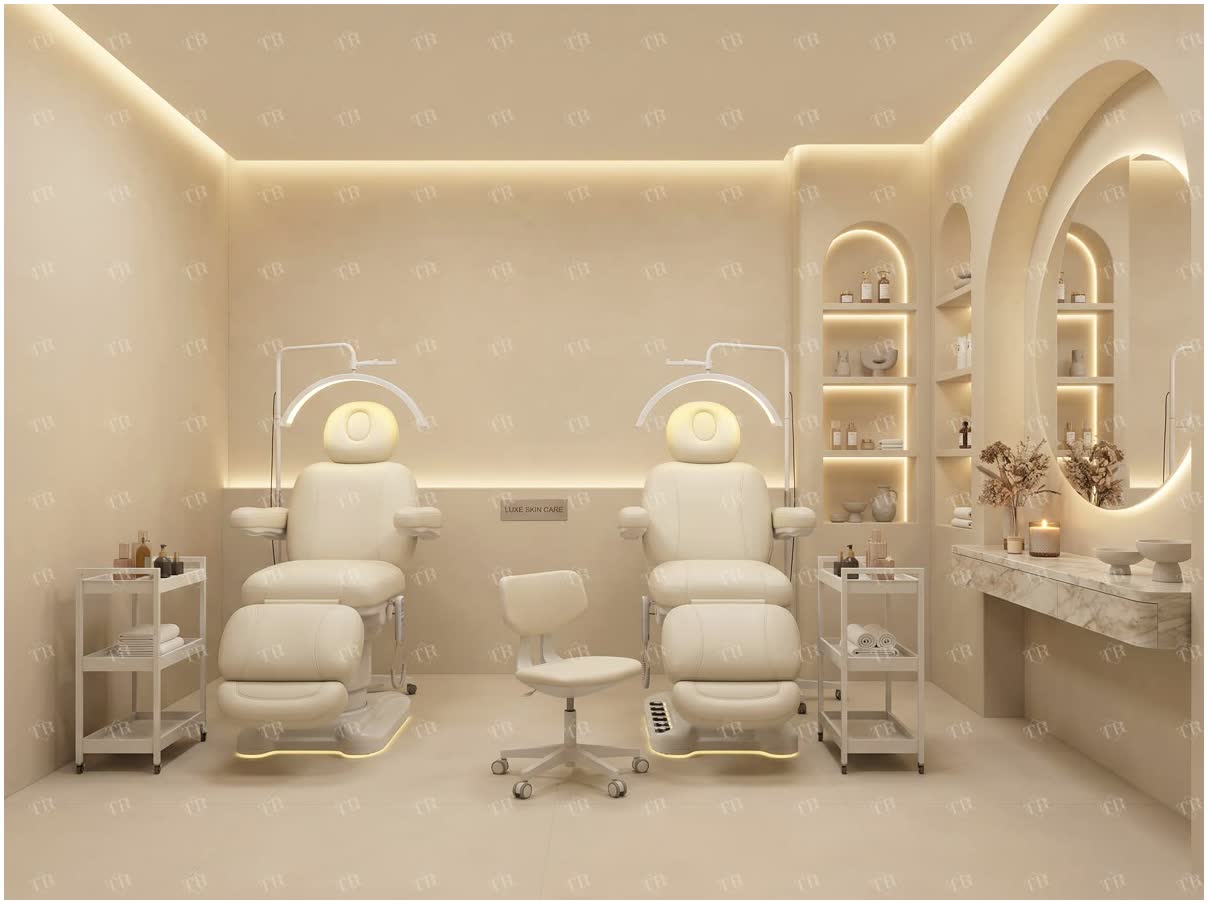
How to Choose an Electric Beauty Bed Manufacturer: Motors, Load Capacity, Upholstery, Frame and Warranty Explained
FOSHAN, GUANGDONG, CHINA, October 26, 2026 /EINPresswire.com/ -- Selecting a premier electric beauty bed manufacturer requires technical scrutiny across five foundational engineering criteria. Buyers must evaluate motorized actuator architecture, certified safe working load, commercial upholstery cushioning, structural frame rigidity, and explicit warranty coverage. In high-end aesthetic clinics and medspas, equipment stability directly influences treatment precision and client safety. TURRI supports aesthetic clinics worldwide from a 30,000-square-meter facility in Foshan. The factory provides motor engineering sheets, dynamic load testing, and dedicated two-year factory warranties across its motorized lineup.
Start with Motor Architecture and Adjustment Functions
Evaluating an electric beauty bed manufacturer requires examining actuator engineering, lifting mechanisms, and control layouts rather than counting motors as an isolated marketing metric. Sourcing teams and clinic directors must identify which sections require powered articulation. Essential movements include backrest inclination, leg-rest elevation, overall bed height, and trendelenburg tilt. Buyers must evaluate how those movements integrate into treatment workflows.
Single-Motor Configuration: Powered height elevation paired with manual gas-spring backrest adjustment, suited for entry-level facial treatments.
Two-Motor Configuration: Independent powered control of bed height and backrest tilt, ideal for standard aesthetic procedures and lash extensions.
Three-Motor Configuration: Synchronized powered control of height, backrest angle, and leg-rest articulation, exemplified by TURRI's MRC1010 and MRC1011.
Four-Motor Configuration: Full multi-axis powered control adding trendelenburg tilt for advanced clinical dermatology and medical-aesthetic procedures.
Model-level engineering data clarifies these operational capabilities. TURRI's Electric Beauty Bed MRC1010 and MRC1011 each incorporate three synchronized linear actuators paired with an ergonomic handset and integrated dual-sided foot controls. Documenting exact control interfaces enables clinic operators to assess how estheticians interact with the bed during live procedures without interrupting treatment. Motor architecture should align directly with procedural requirements; the optimal configuration delivers smooth, silent positioning across required angles without adding unnecessary mechanisms that complicate maintenance.
Treat Rated Load Capacity as a Separate Safety and Specification Field
Certified dynamic safe working load is defined as the maximum mechanical weight an electric treatment bed elevates and articulates safely under continuous motor operation without structural deflection or thermal overload. Commercial procurement managers must evaluate this rating as an independent structural safety specification rather than conflating it with the furniture's physical tare weight. Keeping dynamic capacity distinct from net chassis weight ensures equipment withstands intense clinical procedures without motor strain.
In professional aesthetic and clinical environments, safe working load defines total dynamic weight capacity. This encompasses client body weight, downward practitioner pressure during intensive procedures, and auxiliary clinical devices supported across full elevation cycles. A technical supplier comparison is fundamentally flawed if one manufacturer publishes only physical net weight while another specifies certified dynamic working load.
Procurement directors must ensure that load capacity ratings are tied to documented structural testing standards and specific chassis configurations, avoiding assumptions based on exterior styling or motor counts.
Compare Upholstery, Foam, Frame, and Surface Materials
Upholstery, internal foam cushioning, chassis framing, and surface finishes dictate hygienic cleanability, client comfort, operational stability, and long-term durability. These critical components require precise model-level specifications rather than generic promotional descriptions.
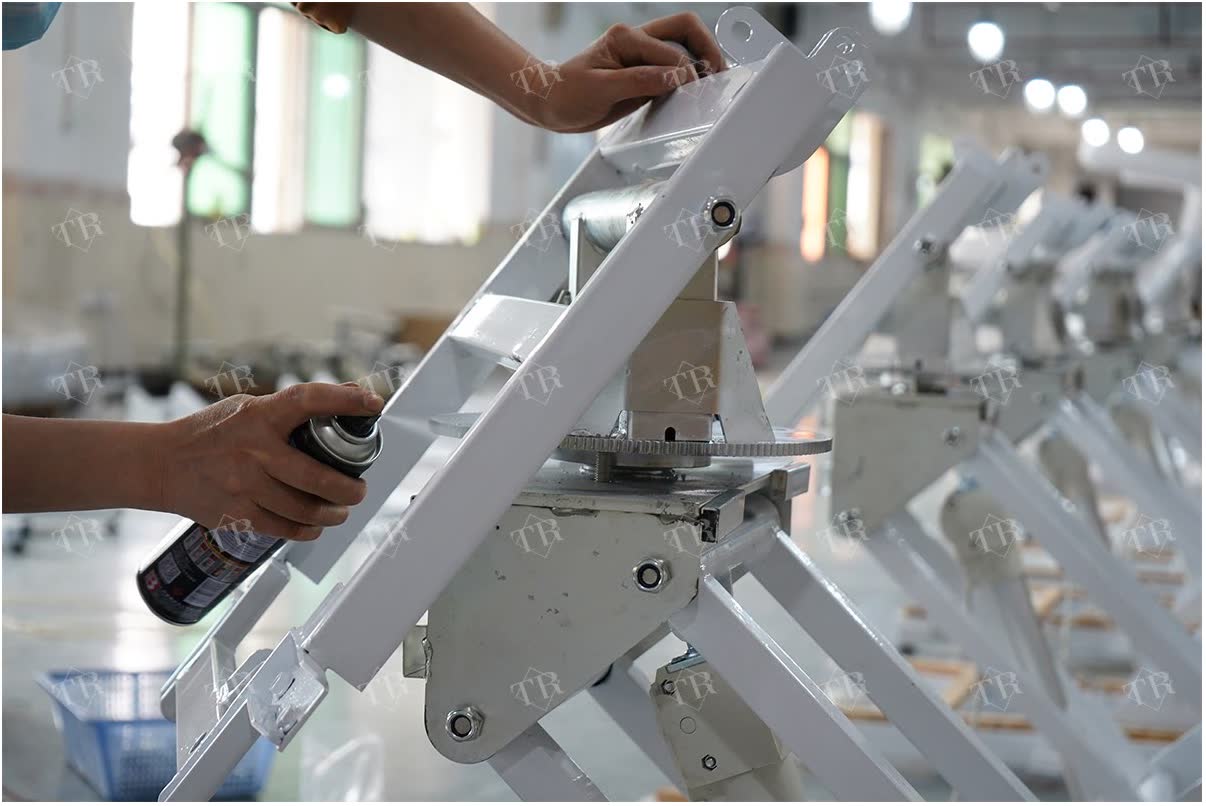
TURRI's Electric Beauty Bed MRC1010 and MRC1011 feature stain-resistant, medical-grade commercial leather, solid wood internal structural framing, high-density comfort foam, and stainless steel decorative accents. TURRI's broader craftsmanship framework reinforces these standards with heavy-gauge steel chassis, precision industrial hardware, and multi-layer protective surface finishes.
Material evaluations should directly reflect the intended operational environment. Commercial aesthetic clinics require upholstery that resists oils, chemical disinfectants, and sanitizing wipes without hardening or cracking. Furthermore, the internal chassis must provide complete torsional rigidity to eliminate sway during client repositioning.
Check Controls, Dimensions, Voltage, Stability, and Function Testing
Physical dimensions and spatial clearance dictate how effectively an electric beauty bed integrates into treatment suites and practitioner workflows. TURRI's Electric Beauty Bed MRC1010 and MRC1011 feature standardized net dimensions of 190 by 76 by 63 to 65 centimeters. This compact footprint ensures complete 360-degree practitioner access and effortless client ingress while accommodating auxiliary clinical trolleys.
Electrical parameters must be formally documented in the initial procurement brief. Destination voltage, frequency, power consumption, and plug standards must be configured at the factory to ensure immediate operational readiness. TURRI subjects all electric beauty beds to rigorous pre-shipment function testing, verifying multi-axis elevation, mechanical frame stability under dynamic load, continuous control switch response, and quiet motor travel before packaging. These testing protocols provide procurement teams with verified assurance that finished equipment satisfies strict commercial standards.
Compare Warranty, Spare Parts, and Manufacturer Support
Warranty coverage must remain strictly tied to specific furniture models and documented component categories. Both the Electric Beauty Bed MRC1010 and MRC1011 carry a dedicated two-year factory warranty. This explicit service commitment covers structural frames and motorized actuator systems, allowing buyers to evaluate warranty protection alongside technical specifications.
Ongoing spare-parts availability, comprehensive installation schematics, and responsive technical service communication are essential for motorized clinical equipment over its operational lifespan. TURRI's comprehensive support framework encompasses detailed installation guidance, preventative spare-parts packages, and long-term technical service.
TURRI unites specialized beauty bed manufacturing with mature OEM/ODM engineering, flexible customization, six-stage production quality control, protective export packaging, and ongoing technical support. Selecting the right manufacturer requires evaluating the physical product specifications and the manufacturer's long-term service infrastructure in equal measure.
Electric Beauty Bed Manufacturer FAQs
These technical answers guide clinic owners, medical-aesthetic procurement directors, and distributors through motor configurations, load capacity verification, material specifications, and warranty terms.
How Many Motors Should an Electric Beauty Bed Have?
Motor count depends on the treatment workflow. A three-motor bed typically provides independent powered control of backrest tilt, leg-rest angle, and overall height adjustment, which satisfies the majority of aesthetic, clinical, and spa procedures.
Is Net Weight the Same as Load Capacity?
No. Net weight measures the physical mass of the furniture itself, whereas load capacity defines the maximum certified dynamic weight the motorized structure supports safely during clinical operation.
Which Material Details Should Buyers Compare?
Buyers should compare the chemical resistance and cleanability of the upholstery vinyl, along with the rebound resilience of interior foam. Procurement teams should also verify steel frame gauge and the corrosion resistance of external finishes.
Which Control Details Matter for a Commercial Beauty Bed?
Clinicians should prioritize dual-sided integrated foot controls paired with a handheld pendant, ensuring hands-free height adjustment during sterile procedures alongside precise multi-axis positioning.
How Should Warranty Be Compared Across Manufacturers?
Compare the specific warranty duration, exact coverage for motorized actuators versus structural frames, regional spare-parts availability, claim resolution timelines, and access to direct engineering support.
Specify Your Electric Beauty Bed Requirements with TURRI
Selecting a dependable electric beauty bed manufacturer requires aligning motorized actuator performance, certified load capacity, medical-grade upholstery, and structural rigidity with comprehensive factory warranty terms. To discuss custom actuator configurations, upholstery selections, or volume quotations for your clinic or distribution network, submit your detailed equipment specifications. Connect through https://turrisalon.com/ to initiate an engineering consultation and commercial review.
TURRI
TURRI
Legal Disclaimer:
EIN Presswire provides this news content "as is" without warranty of any kind. We do not accept any responsibility or liability for the accuracy, content, images, videos, licenses, completeness, legality, or reliability of the information contained in this article. If you have any complaints or copyright issues related to this article, kindly contact the author above.